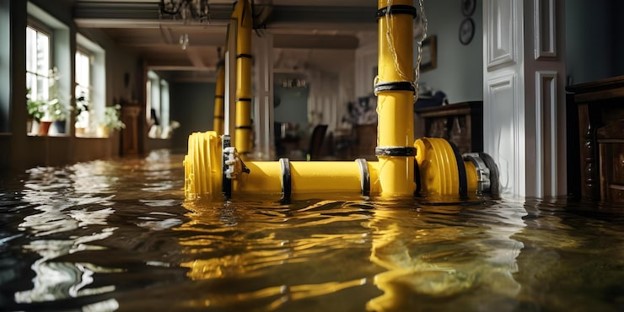
Water intrusion inside a property often happens quietly before showing visible signs. A small leak behind a wall or under a floorboard can gradually cause massive structural issues and health risks. When water enters a building, knowing the full extent of the damage is critical. We provide specialised Water Damage Inspection Services to help property owners locate hidden moisture, assess structural risks, and create a clear path to restoration.
Understanding the step-by-step process gives you peace of mind. Here is a clear blog on what takes place during a professional assessment and what you can expect from start to finish.
Initial Property Walkthrough and Visual Assessment
We begin every job with a thorough visual inspection of the affected areas. Water travels along the path of least resistance, meaning the point of origin is not always where the moisture collects.
We inspect key structural areas including:
- Ceilings and upper-level floors
- Drywall, baseboards, and wall cavities
- Subflooring, carpets, and hard floor materials
- Spaces around plumbing fixtures and water appliances
Visual clues like peeling paint, warped timber, water staining, and unusual odours give our team immediate indicators of moisture migration.
Non-Invasive Diagnostics and Moisture Mapping
Visual signs only tell part of the story. Liquid often spreads inside cavity walls and under floor coverings without showing surface marks right away. We use advanced diagnostic tools to map out hidden moisture zones without causing unnecessary destruction to your walls or floors.
Essential Diagnostic Tools
- Moisture Meters: We use both pin-type and painless meters to measure the exact moisture content inside building materials like timber, plasterboard, and concrete.
- Thermal Imaging Cameras: Infrared technology helps us identify temperature differences across surfaces. Cold spots on a thermal camera often indicate hidden pockets of trapped water.
- Hygrometers: These instruments measure ambient relative humidity and temperature, allowing us to evaluate the drying conditions inside the space.
By mapping the damp zones, we define the precise boundary of the damage. This step prevents partial repairs that leave hidden dampness behind.
Evaluating Structural Integrity and Contamination Levels
Not all water damage carries the same risk profile. We evaluate the category of water involved along with the physical structural condition of the building elements.
Water Category Breakdown
- Clean Water: Originates from broken clean water pipes or sink overflows. It poses the lowest immediate health hazard if treated quickly.
- Grey Water: Contains chemical or biological contaminants from dishwasher discharges, washing machine overflows, or shower drains.
- Black Water: Highly unsanitary water from sewage backups, river flooding, or stagnant water. This category requires strict safety protocols and specialised safety gear.
We also check load-bearing elements, subfloors, and plasterboard walls to determine if materials can be dried in place or if structural components require removal and replacement.
Detailed Moisture Profiling and Air Quality Checks
Excessive indoor moisture creates the ideal environment for microbial growth. When standing water remains unaddressed for more than 24 to 48 hours, indoor air quality drops significantly.
During Water Damaged Building Testing, we monitor indoor humidity levels and inspect high-risk areas for secondary damp problems. Collecting air samples and surface checks allows us to determine if structural moisture has begun impacting indoor air hygiene.
Taking these diagnostic steps protects the building and safeguards the health of everyone living or working inside the property.
Establishing Immediate Safety Measures and Risk Mitigation
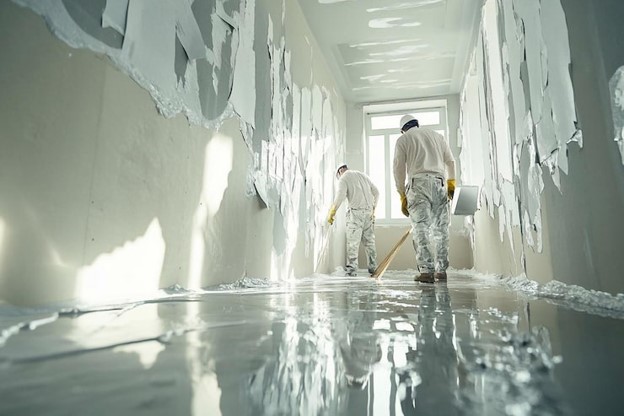
Before deep diagnostic work begins, securing the physical safety of the property remains our top priority. Water intrusion introduces structural instabilities, slip hazards, and electrical risks that require immediate assessment. We evaluate electrical circuits near affected areas, check ceiling loads where water may have pooled overhead, and identify immediate hazards before moving forward.
Our team provides actionable guidance on immediate stabilisation steps, including:
- Turning off power to affected zones or moisture-heavy walls
- Elevating timber furniture and porous materials off damp carpets
- Ventilating spaces safely without spreading air contaminants across dry rooms
Taking these swift preliminary precautions limits further property degradation while keeping occupants safe throughout the inspection process.
Receiving Your Comprehensive Report
Once the physical assessment is complete, we compile all measurements, thermal images, and structural findings into a clear, easy-to-read document. A comprehensive Water Damage Inspection Report serves as an essential roadmap for remediation technicians, builders, and insurance adjusters.
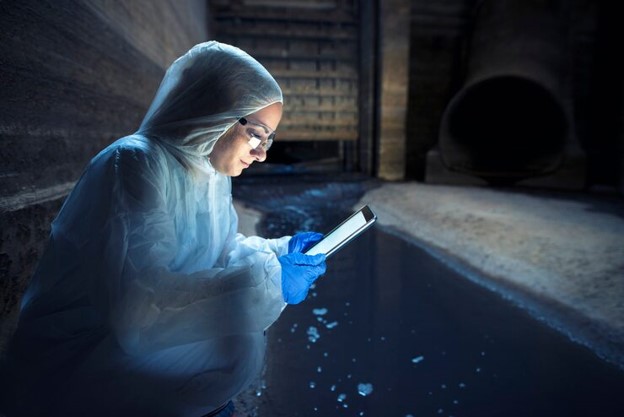
Your final report includes key details such as:
- Complete scope and boundaries of the moisture damage
- Exact moisture readings and thermal imaging logs
- Water contamination classification and safety recommendations
- Clear drying targets and step-by-step remediation protocols
- Material salvageability assessments
Having a written report ensures all parties involved in the restoration process work from accurate, verified data.
Defining Target Drying Protocols and Scope of Work
Restoration involves far more than placing standard air movers inside a room and hoping for the best. Different building materials release bound moisture at vastly different rates. Dense timber subfloors, concrete slabs, and insulated cavity walls all demand tailored environmental conditions, specific heat inputs, and controlled vapour pressure differentials to dry successfully.
By providing precise structural drying targets, we give your remediation technicians clear, quantifiable benchmarks to achieve before calling the property fully restored.
Conclusion
A water event inside your property requires immediate and accurate action. Skipping professional diagnostic steps often leads to unaddressed moisture pockets, secondary structural decay, and costly repairs down the track. Working with experienced technicians ensures that every hidden drop of water is identified, measured, and planned for during restoration.
At Mould Assessors, we deliver reliable, accurate, and independent testing services across South East Queensland and Northern New South Wales. Our team provides the objective data and clear reporting you need to restore your property safely and efficiently. Contact us today to secure a comprehensive inspection for your residential or commercial property.
Frequently Asked Questions
How long does a typical property water assessment take?
Most inspections take between 1 to 3 hours depending on the size of the property and the extent of the water spread. Larger commercial buildings or severe flooding cases may require additional time for thorough mapping.
Why is specialized testing necessary if the surface looks dry?
Building materials like drywall, insulation, and timber subfloors easily trap moisture behind surface layers. Even if a wall feels dry to the touch, deep moisture inside the cavity can lead to structural decay and hidden microbial growth.
Can an inspection determine if water damage is new or pre-existing?
Yes. Technicians evaluate material deterioration, staining patterns, timber rot, and current moisture levels to distinguish between fresh water leaks and long-term, ongoing damp issues.
What should I do while waiting for the inspector to arrive?
If safe, stop the source of the water leak, turn off electricity to wet rooms, and move valuable personal items to a dry space. Avoid standing in pooled water, especially if electrical outlets or appliances are submerged.
continue reading
Related Posts
Modern properties rely heavily on power grids, smart devices, and

Modern living relies heavily on technology. From smartphones and high-speed
Indoor air quality determines how safe our homes feel. Yet