
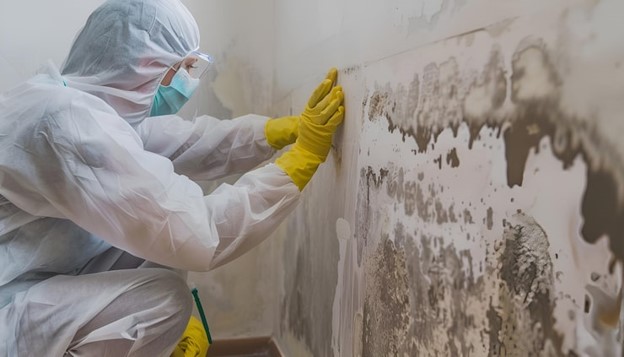
Indoor air quality determines how safe our homes feel. Yet fungal growth quietly develops behind plasterboard, beneath carpets, and inside subfloors without any clear warning signs. Hidden spores expand steadily whenever moisture stays trapped inside building materials.
Many property owners only notice an issue when dark stains appear on ceilings or walls. By that point, microscopic spores have already multiplied deep within structural cavities. A complete house mould inspection helps locate these invisible moisture traps before structural decay worsens. We focus on identifying root causes, isolating active moisture sources, and protecting indoor air environments from long-term damage.
Why Visible Mould Is Just the Tip of the Iceberg
Surface spots rarely reveal the full extent of contamination. Spores thrive in dark, undisturbed areas with minimal airflow and constant humidity. Wall cavities, ceiling spaces, and structural subfloors offer ideal growth environments.
When growth remains undetected inside structural cavities, simple cleaning methods fail to solve the underlying problem. Surface wiping addresses visible stains, but active colonies continue to release airborne spores behind walls. Over time, unaddressed moisture degrades building materials and reduces structural timber integrity.
The Primary Mechanisms Used to Detect Hidden Spores
Finding hidden contamination requires systematic testing rather than visual assumptions. We utilize specialized physical tools and scientific sampling methods to evaluate hidden structures accurately.
Non-Invasive Moisture Diagnostics
Targeted moisture meters allow us to assess dampness levels inside timber, plaster, and concrete. Pinless meters scan large wall areas without leaving marks on decorative finishes. Pin-type meters then verify deep moisture readings within wall frames.
Thermal imaging technology detects temperature variations caused by hidden moisture pockets. Damp building materials cool as moisture evaporates, creating distinct thermal patterns on infrared camera displays. This capability allows technicians to isolate concealed water leaks without opening up plaster walls unnecessarily.
Environmental Sampling Techniques
Airborne spore levels vary across different living spaces. Air sampling collects microscopic particles on specialised slides to measure spore concentration levels per cubic meter. Comparing indoor air samples against outdoor baseline samples clarifies whether hidden internal sources are actively releasing spores.
Surface testing confirms whether dark spots contain active fungal colonies or simple dust accumulation. Swab and tape lift samples sent to accredited laboratories confirm exact fungal species and growth density.
Critical Areas Scrutinised During a Professional Assessment
Subtle structural defects frequently allow moisture to collect out of plain sight. A detailed mould house inspection evaluates every vulnerable zone within a residence.
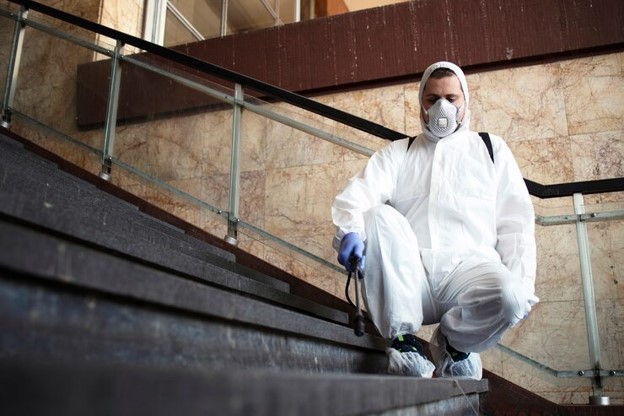
Roof and Ceiling Cavities
Roof cavities experience extreme temperature changes that encourage condensation beneath tiles and metal sheets. Damaged insulation batts often trap moisture against ceiling joists, creating quiet conditions for spore growth.
- Insulation displacement hiding roof leaks.
- Unvented exhaust fans venting moist air into roof spaces.
- Condensation buildup along metal air-conditioning ducts.
Subfloor Foundations
Subfloors receive minimal natural light and poor airflow. Damp soil, leaking drainpipes, or blocked foundation vents allow moisture to accumulate beneath floorboards over time.
- Groundwater seepage following heavy rainfall.
- Inadequate cross-ventilation across perimeter walls.
- Concealed timber decay along support bearers and joists.
Plumbing and Wet Areas
Bathrooms, laundries, and kitchens generate substantial indoor humidity. Micro-leaks behind cabinetry, shower recesses, or internal wall plumbing often remain hidden for months before becoming visible.
- Cracked waterproofing membranes beneath floor tiles.
- Slow leaks near dishwasher and washing machine connections.
- Deteriorated silicone sealants around built-in baths and sinks.
Steps Taken During a Comprehensive Assessment
Systematic evaluations yield actionable data regarding indoor air quality and structural moisture levels. We follow a clear operational protocol during every project.
- Initial Visual Assessment: Establishing baseline conditions. Technicians evaluate internal layouts, ventilation systems, external drainage, and visible building materials to map high-risk zones.
- Thermal Imaging and Moisture Mapping: Locating concealed moisture sources. Infrared cameras scan interior walls, ceilings, and subfloors to highlight moisture anomalies and structural temperature variations.
- Targeted Sampling and Air Testing: Collecting empirical evidence. Airborne spore trap cassettes and surface swab samples capture microscopic particles for laboratory verification and precise species identification.
- Data Synthesis and Detailed Reporting: Formulating clear recommendations. Laboratory findings, moisture maps, and structural observations combine into a clear report outlining practical rectification steps.
Key Benefits of Identifying Mould Early
Investing in professional diagnostics protects property values and indoor health standards. A comprehensive mould inspection service provides specific advantages for property owners.
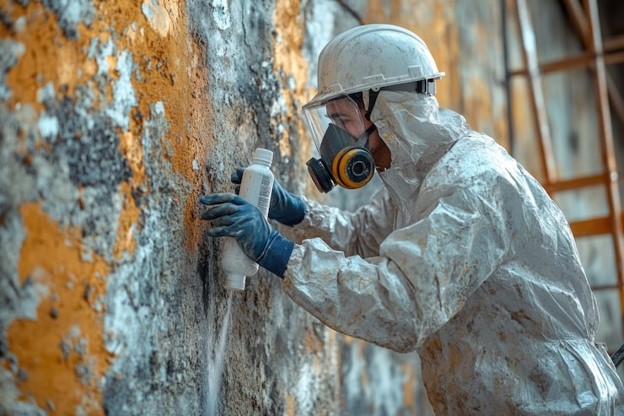
- Targeted Remediation Plans: Detailed mapping ensures cleanup efforts target actual problem spots rather than unnecessary areas.
- Structural Preservation: Resolving moisture issues early prevents deep timber rot and costly structural repairs.
- Long-Term Cost Savings: Small moisture repairs cost significantly less than full-scale structural building restorations.
- Improved Air Quality: Eliminating hidden contamination sources keeps indoor environments fresh and clean.
Essential Preventive Measures for Property Owners
Keeping indoor spaces dry requires continuous attention to humidity control and building maintenance. Simple routines preserve healthy indoor environments effectively.
- Maintain Low Indoor Humidity: Keep indoor relative humidity below 60 per cent using air conditioners or dedicated dehumidifiers during wet seasons.
- Ensure Adequate Ventilation: Run exhaust fans in bathrooms and kitchens during cooking or showering, leaving them on for 15 minutes afterwards.
- Inspect Plumbing Fixtures Regularly: Check under sinks, around toilets, and behind appliances for subtle water drips or damp carpet patches.
- Clear Drainage and Vents: Keep subfloor air vents clear of soil, plants, or garden debris to preserve natural cross-ventilation.
Conclusion
Concealed moisture issues compromise structural integrity long before surface stains appear on plaster walls. Detecting hidden growth requires scientific sampling, thermal diagnostic tools, and accurate moisture mapping. Choosing The Mould Assessors ensures property owners receive thorough evaluation reporting, reliable moisture identification, and practical guidance to protect internal spaces from ongoing water damage.
Frequently Asked Questions
How long does a thorough home assessment take to complete?
An average residential assessment takes between two to three hours depending on property size, subfloor access, and total sampling requirements.
Can thermal imaging cameras detect dry mould spores behind wallboards?
Thermal cameras detect moisture variations rather than dry spores. They pinpoint active water leaks and damp building materials where fungal growth thrives.
Will a standard building inspection detect hidden fungal growth?
Standard building inspections check structural elements but rarely include specialized air sampling, deep moisture mapping, or lab analysis needed to find hidden spores.
What happens after a property assessment is finished?
You receive a comprehensive report detailing moisture findings, laboratory air sample results, identified risk factors, and clear step-by-step remediation advice.
continue reading
Related Posts

Modern properties rely heavily on power grids, smart devices, and

Modern living relies heavily on technology. From smartphones and high-speed

Water intrusion inside a property often happens quietly before showing