

Mould spores travel through the air silently, settling in damp corners of our homes before we even notice them. Moisture build-up behind walls or under floorboards creates ideal conditions for fungal growth, leading to hidden contamination. Knowing when to book a Professional Mould Inspection protects both your family health and the structural safety of your living spaces.
We often notice subtle signs like persistent musty odours or unexplained water stains long before visible patches appear. Ignoring these early warning signals allows hidden fungi to spread deep into timber frames and drywall. Early diagnostic testing gives homeowners actionable insights to stop structural damage early.
Why Early Detection Matters for Every Property
When moisture gets trapped inside building materials, fungi thrive rapidly within 24 to 48 hours. Quick action prevents minor dampness from turning into an expensive structural repair job.
Protecting Your Family’s Health
Indoor air quality directly impacts day-to-day well-being. Spores released by active fungal growth circulate through air conditioning ducts, causing respiratory discomfort or allergic reactions.
- Lowering Allergy Triggers: Clearing hidden contamination reduces persistent sneezing, skin irritation, and watery eyes.
- Safer Indoor Air: Expert assessments confirm whether indoor air carries elevated spore counts compared to outdoor samples.
- Peace of Mind: Knowing your living spaces are free from toxic strains helps everyone breathe easier at home.
Preventing Structural Damage
Subfloor moisture and leaky roofs weaken timber frames over time. A certified Mould Inspection Service pinpoints exact moisture levels inside walls, keeping building materials sound and stable.
Key Situations That Require an Immediate Property Assessment
Certain signs indicate it is time to arrange a thorough diagnostic check of your property.

After Water Leaks or Recent Flooding
Burst pipes, overflowing sinks, or heavy rain events submerge wall cavities and subfloors. Even after visible water disappears, trapped moisture fuels invisible growth.
- Hidden Cavity Check: Specialised moisture meters identify dampness trapped behind plasterboards.
- Subfloor Moisture Mapping: We measure humidity levels beneath floorboards to verify complete drying.
- Preventing Secondary Damage: Swift testing stops building materials from rotting over time.
Persistent Musty Odours Without Visible Marks
If a room smells damp despite regular cleaning, fungal growth is likely hidden behind wardrobes, inside wall cavities, or under carpets. Thermal imaging tools help locate these hidden moisture pockets without tearing down walls.
Buying or Renting a New Property
A standard structural report often skips detailed air sampling. Requesting a comprehensive Mould House Inspection prior to signing contracts ensures you avoid purchasing hidden maintenance troubles.
What Happens During a Qualified Inspection Visit
A professional inspection combines visual checks with specialised diagnostic testing tools.
| Assessment Phase | Tools Used | Target Outcome |
|---|---|---|
| Visual Mapping | Thermal Imaging Cameras | Locates hidden temperature drops and moisture pockets |
| Moisture Measuring | Pinless Moisture Meters | Measures dampness levels inside plasterboards and wood |
| Air Sampling | Spore Traps | Measures indoor spore density against outdoor control samples |
| Surface Testing | Swab & Tape Lift Samples | Identifies specific fungal species present on surfaces |
Creating a Sustainable Prevention Plan After Environmental Assessment
Completing an environmental inspection represents the first step toward long-term property protection and indoor air safety. Our detailed report outlines specific structural updates, such as improving drainage angles, upgrading exhaust fans, and sealing foundation cracks to prevent water entry. Following these targeted maintenance recommendations ensures living areas remain dry, healthy, and resistant to future moisture accumulation.
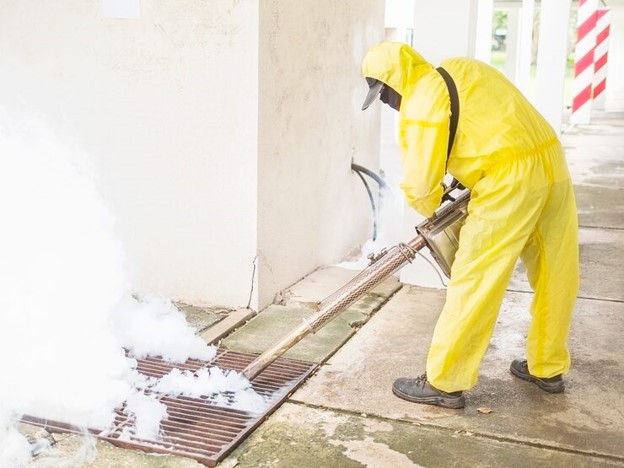
Step-by-Step Breakdown of the Diagnostic Process
Knowing what happens during an on-site evaluation helps property owners prepare effectively.
- Initial Visual Walkthrough: Identifying high-risk zones. We inspect roofing materials, external drainage, subfloor vents, and wet areas like bathrooms to find clear sources of water ingress.
- Thermal Imaging & Moisture Mapping: Non-invasive structural scans. Using infrared cameras, we locate cold spots behind walls where moisture gathers undetected, pinpointing exact areas that need surface testing.
- Air & Surface Sample Collection: Laboratory-grade data gathering. We gather indoor air samples and surface swabs, sending them to accredited laboratories to analyse spore counts and identify specific fungal strains.
- Reporting & Actionable Guidance: Clear, practical recommendations. We deliver a plain-language report outlining moisture sources, lab analysis results, and step-by-step remediation advice to restore healthy indoor air.
How Indoor Humidity Levels Influence Fungal Spore Proliferation
Relative humidity levels above sixty per cent create optimal conditions for airborne fungal spores to land, germinate, and form colonies. Everyday domestic activities like hot showers, indoor laundry drying, and cooking release significant water vapour into closed living spaces. Monitoring indoor air moisture with digital hygrometers and utilising subfloor ventilation helps keep humidity balanced and prevents spore growth throughout changing seasons.
Simple Preventative Steps for Healthy Indoor Spaces
Maintaining balanced indoor humidity prevents recurring fungal problems across all seasons.
- Improve Airflow: Keep furniture slightly away from external walls to promote continuous air movement.
- Control Humidity: Use dehumidifiers during damp seasons to keep indoor moisture levels comfortable and balanced.
- Fix Leaks Promptly: Address dripping taps, roof tiles, and shower seals as soon as issues appear.
Understanding the Long-Term Financial Impact on Property Value
Unaddressed moisture issues slowly compromise building foundations, wall structures, and timber supports over extended periods. Ignoring early indicators often leads to severe decay that requires extensive structural reconstruction and costly drywall replacements. Maintaining detailed diagnostic inspection records proves invaluable during property valuations, ensuring market value remains intact and buyers remain confident.
Conclusion
Understanding early warning signs like damp smells or lingering moisture helps keep your living spaces comfortable and safe. Timely diagnostic checks eliminate uncertainty, protecting both family health and property values before minor leaks create major structural damage. When you need clear answers and certified diagnostic testing, Mould Assessors provides thorough inspections and tailored remediation plans to keep your home healthy.
Frequently Asked Questions
What are the main signs that I need a Professional Mould Inspection?
Common indicators include persistent musty smells, visible discoloration on walls, recent plumbing leaks, peeling paint, or unexplained respiratory symptoms that worsen when spending time indoors.
How long does a typical Mould Inspection Service take?
An on-site inspection generally takes between 1 to 2 hours depending on property size. Laboratory air sample analysis and full written reports are typically finalized within a few business days.
Can a Mould House Inspection detect hidden growth behind plasterboards?
Yes. Technicians use thermal imaging cameras and non-invasive moisture meters to detect trapped water and temperature drops behind walls without breaking open plasterboards.
Is surface cleaning enough to resolve an indoor fungal issue?
Wiping visible spots only cleans the surface layer. If the underlying moisture source remains unaddressed, spores will return. A thorough assessment identifies root causes to ensure long-term resolution.
continue reading
Related Posts

Modern properties rely heavily on power grids, smart devices, and

Modern living relies heavily on technology. From smartphones and high-speed

Water intrusion inside a property often happens quietly before showing